The Role of Precision in Watch Maintenance
In the intricate world of horology, precision is not merely a desirable quality; it is essential. This article explores the significance of precision in watch maintenance and how it contributes to the longevity and performance of mechanical timepieces.
Understanding the Basics of Watch Precision
Precision in watch maintenance refers to the careful calibration and servicing of the mechanical components that drive timekeeping. According to industry standards, maintaining a watch typically involves regular cleaning, lubrication, and adjustment of its internal mechanisms to ensure accurate timekeeping. Experts recommend that mechanical watches undergo servicing every 3 to 5 years, depending on usage and environmental factors.
"Precision in watch maintenance is not just about fixing what is broken; it's about ensuring that every part operates harmoniously." - Horological Expert
The Importance of Precision in Mechanical Watches
Mechanical watches are complex devices with numerous moving parts. Each component must work in sync to maintain accuracy. The principle behind this is that even the smallest deviation in calibration can lead to significant timing errors. For instance, research indicates that an unserviced watch can lose or gain up to 30 seconds per day, impacting its reliability.
Key Benefits of Precision Maintenance
- Improved Accuracy: Regular maintenance helps ensure that timepieces remain within industry standards of accuracy, typically within +/- 10 seconds per day.
- Extended Lifespan: A well-maintained watch can often last for generations, passing down both functionality and sentimental value.
- Enhanced Performance: Precision maintenance can help reduce wear and tear, ultimately improving the overall performance of the watch.
How Precision Maintenance is Achieved
The process of achieving precision in watch maintenance involves several careful steps:
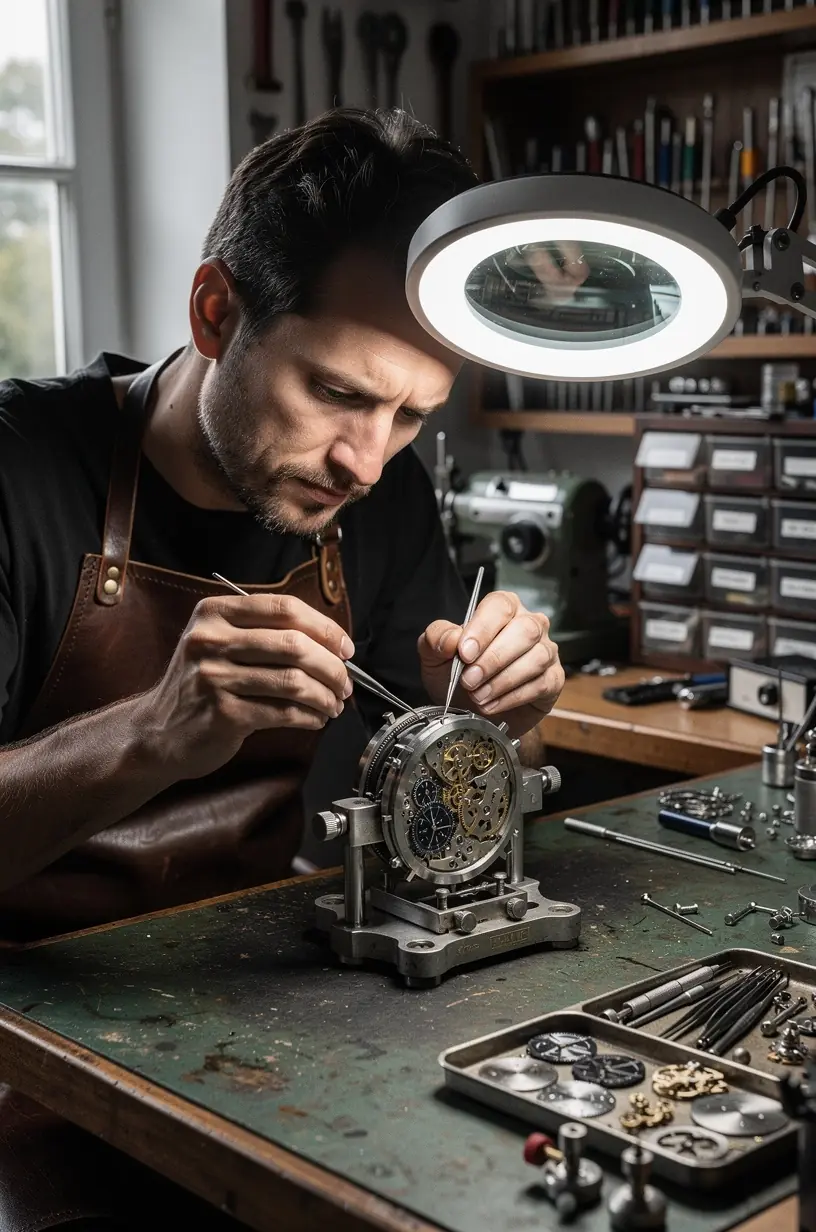
- Diagnosis: Professional watchmakers utilize specialized diagnostic tools to assess the state of a timepiece. This often includes examining the movement for wear or damage.
- Disassembly: The watch is carefully disassembled to allow access to all components, which is crucial for thorough cleaning and inspection.
- Cleaning and Lubrication: Each part is meticulously cleaned and lubricated. Research shows that appropriate lubrication can reduce friction and wear, maintaining the watch’s accuracy.
- Reassembly and Calibration: After servicing, the watch is reassembled and calibrated to ensure it meets precise timing standards.
Acknowledging Limitations in Watch Maintenance
It is important to understand that achieving precision in watch maintenance requires time and expertise. Most servicing processes can take anywhere from 2 to 4 weeks, depending on the complexity of the watch and the extent of the required repairs. Additionally, while precision maintenance can significantly improve watch performance, it may not fully restore watches that have suffered irreversible damage or neglect.
Choosing the Right Watch Repair Studio
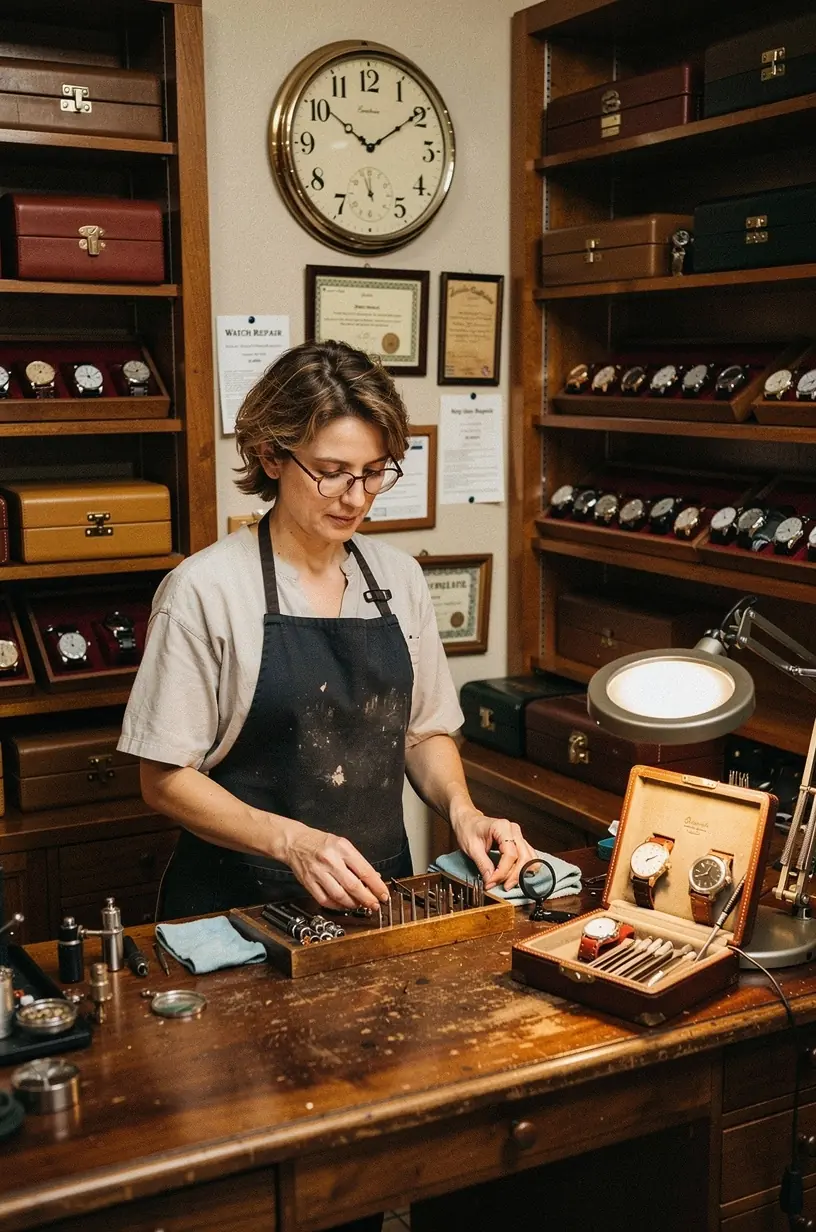
When selecting a watch repair studio specializing in mechanical servicing, it is advisable to consider the following:
- Expertise: Look for studios with skilled watchmakers who are experienced in handling various brands and models.
- Reputation: Research reviews and testimonials from past clients to gauge the studio’s reliability.
- Transparency: A reputable studio should provide clear information about the maintenance process and associated costs upfront.
Conclusion
In conclusion, precision plays a pivotal role in the maintenance of mechanical watches. By following best practices and understanding the importance of regular servicing, watch owners can ensure their timepieces remain accurate and functional for years to come. Investing in quality maintenance not only enhances the performance of a watch but also preserves its value, making it a worthwhile endeavor for any horology enthusiast.
Read On