Steps for Regulating Your Watch's Timekeeping
If you own a mechanical watch, ensuring its accurate timekeeping is crucial for both functionality and aesthetic appeal. This article outlines practical steps for regulating your watch's timekeeping, providing you with valuable insights that can help maintain optimal performance over time.
Understanding the Basics of Timekeeping Regulation
Regulating a watch's timekeeping involves fine-tuning its movement to ensure it runs accurately. According to experts in horology, most mechanical watches can experience variations in timekeeping due to factors such as temperature, position, and magnetism. Understanding the complex interplay of these factors can significantly enhance your watch maintenance skills.
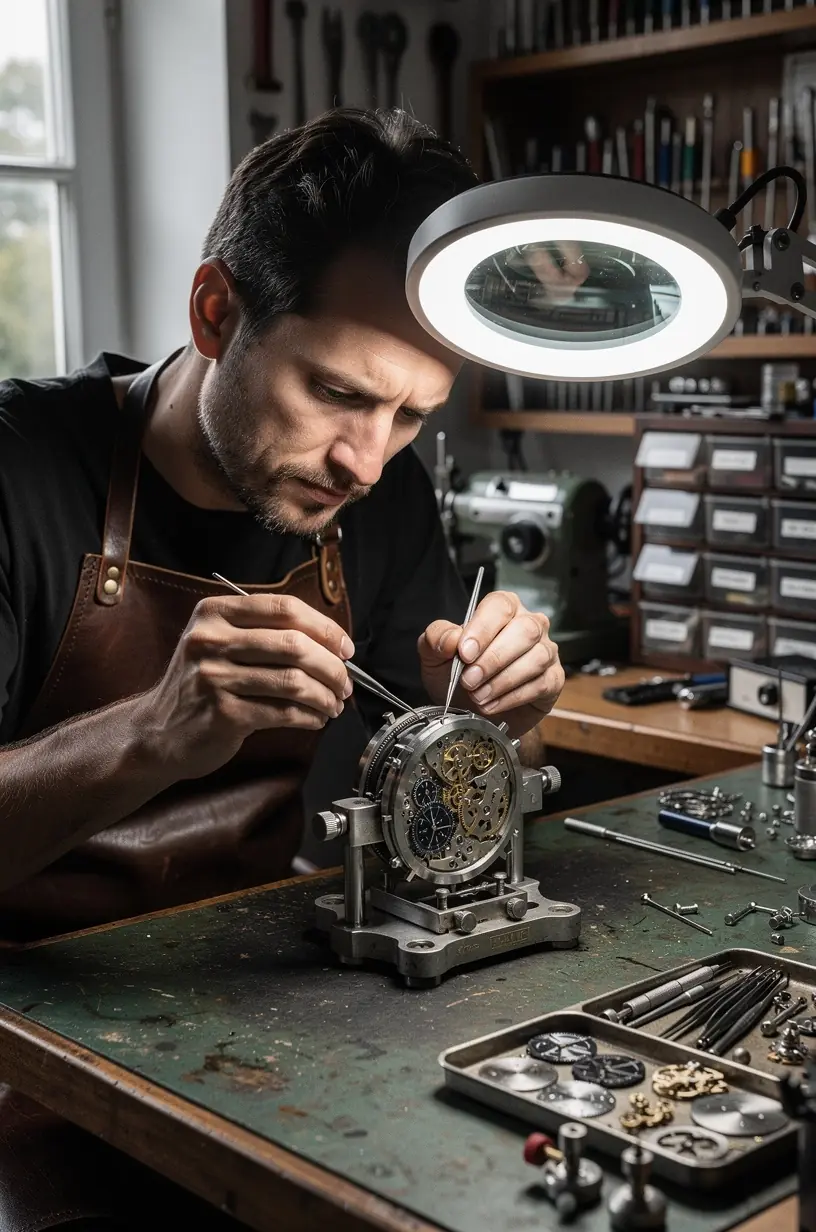
"A well-regulated mechanical watch can achieve accuracy within a few seconds per day, but this requires careful adjustments and understanding of the watch's movement."
Tools You Will Need
Before you start the regulation process, gather the following tools:
- Watchmaker's Screwdriver: For adjusting the movement parts.
- Timegrapher: To measure the watch's accuracy and performance.
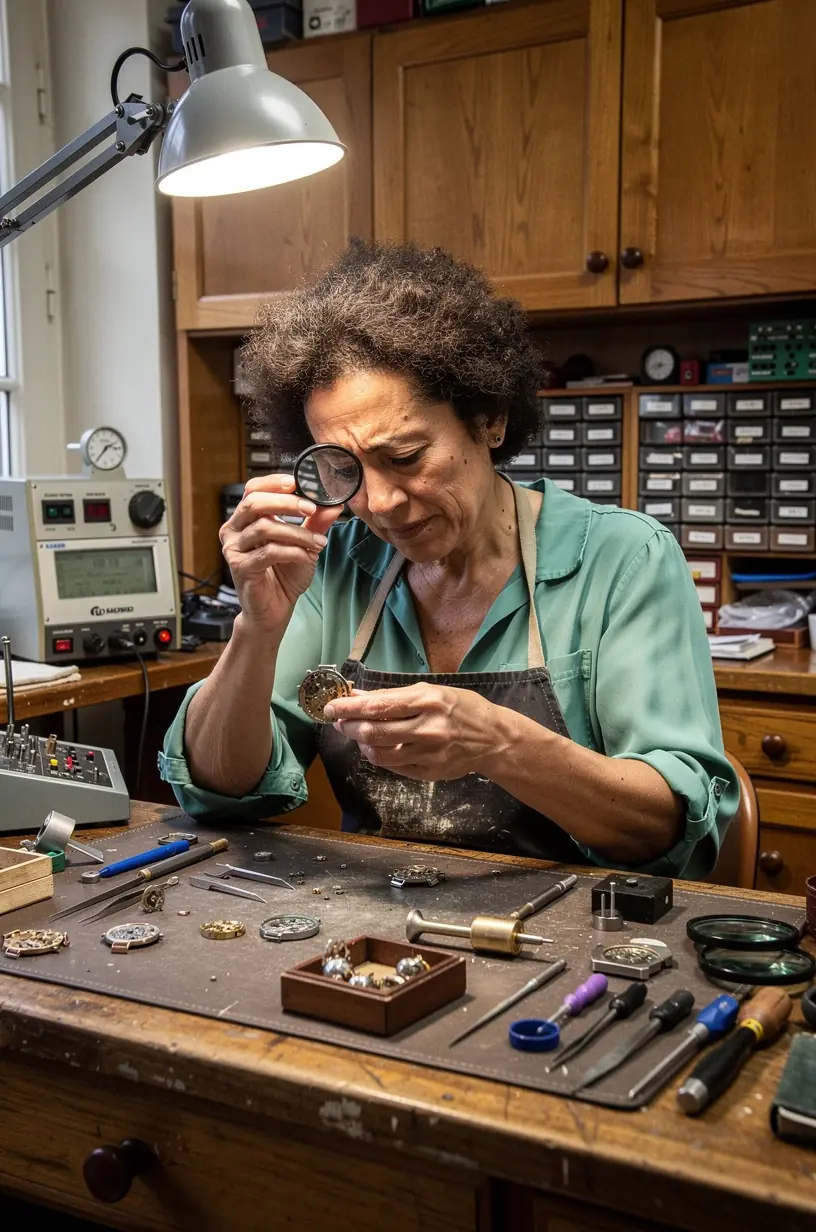
- Magnifying Loupe: To inspect the movement closely.
Steps to Regulate Your Watch
- Assess the Existing Timekeeping: Use a timegrapher to determine how much your watch deviates from the standard time. This step typically takes about 10 minutes and provides a baseline for adjustments.
- Open the Case Back: Carefully remove the case back using your watchmaker's screwdriver. This process requires a steady hand and some prior knowledge of your watch’s construction.
- Locate the Regulator: Identify the regulator, which is usually marked on the movement. This component is responsible for adjusting the timing of the balance wheel.
- Make Adjustments: Gently turn the regulator using your screwdriver. Moving it towards the "+" will speed up the timekeeping, while moving it towards the "−" will slow it down. Experts suggest making small adjustments, typically one or two marks at a time.
- Reassess the Timekeeping: After making adjustments, reattach the case back and test the watch again with the timegrapher. Allow the watch to run for at least 24 hours to see how the changes affect its timekeeping accuracy.
Possible Limitations and Considerations
It’s important to recognize that regulation does not guarantee perfect accuracy. Many users report that achieving optimal performance requires multiple iterations of this process. Additionally, environmental factors such as humidity and temperature can affect your watch's performance, meaning that regular maintenance and checks are necessary. In most cases, seeking a professional watchmaker is advisable if you are unsure about making these adjustments yourself.
Conclusion
Regulating your watch's timekeeping is a valuable skill that can enhance the longevity and performance of your mechanical timepiece. By following these outlined steps and understanding the principles behind watch regulation, you can maintain accurate timekeeping effectively. Always remember that patience and precision are key, and consult with a professional if you're ever in doubt.
Read On