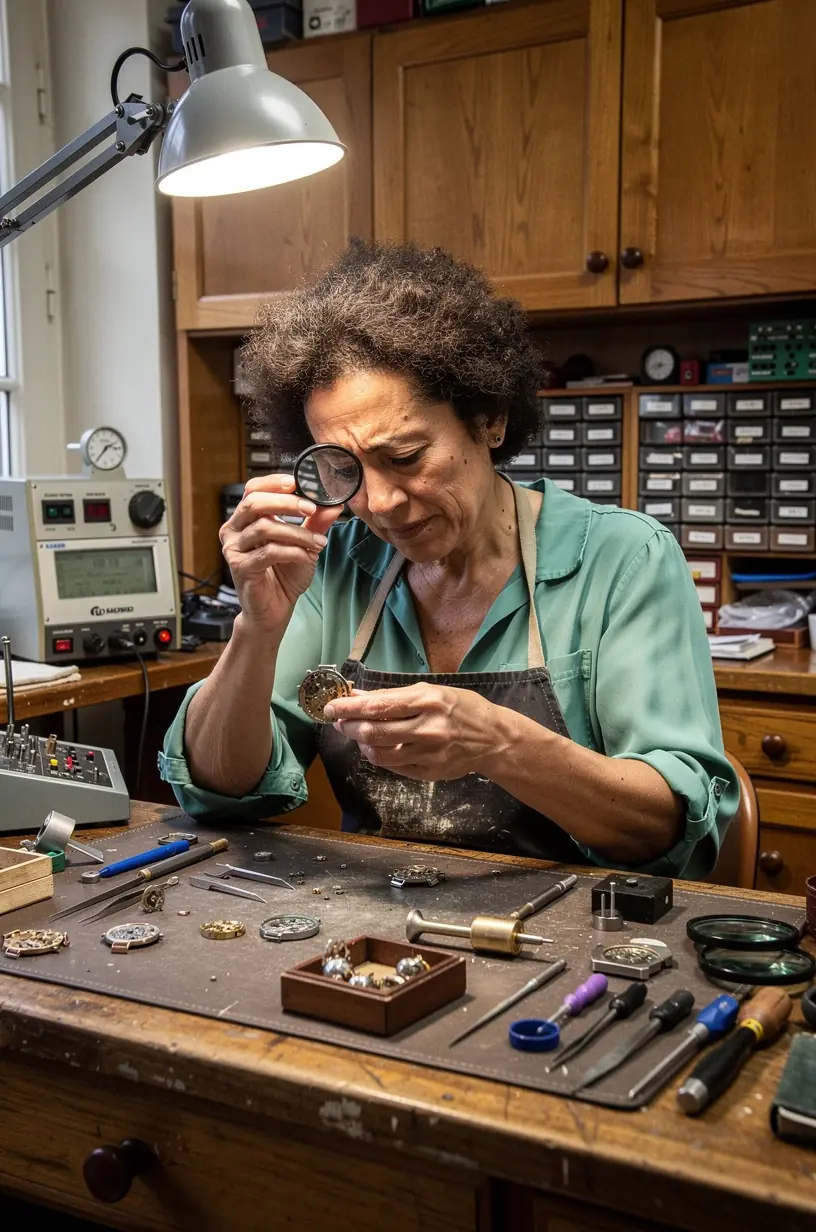
Understanding Mechanical Watch Components
Mechanical watches are intricate devices that blend artistry with engineering. Understanding their components is crucial for anyone interested in watch repair, restoration, or precision maintenance. In this article, we'll explore the fundamental parts of mechanical watches and their functions, providing insights into the care and servicing these timepieces require.
Understanding the Basics
Mechanical watches operate using a complex system of gears, springs, and levers. According to experts in horology, the primary components of a mechanical watch include the movement, escapement, balance wheel, and mainspring. Each part plays a vital role in ensuring that the watch keeps accurate time.

The Movement
The movement is often referred to as the heart of the watch. It is responsible for converting the energy stored in the mainspring into the movement of the watch hands. Experts recommend regular maintenance, as dirt and wear can affect its precision. In many cases, a well-maintained movement can last for decades, highlighting the importance of care.
The Escapement
The escapement regulates the release of energy from the mainspring to the gear train. According to research on watch mechanisms, the escapement allows the balance wheel to oscillate at a consistent rate, typically 28,800 beats per hour in high-quality watches. This consistency is critical for accurate timekeeping.
"Regular servicing of the escapement can improve the overall accuracy of the watch, as it ensures that the components are functioning harmoniously."
The Balance Wheel
The balance wheel plays a pivotal role in regulating time. It oscillates back and forth, controlling the movement of the gears. Studies show that a properly calibrated balance wheel can significantly enhance a watch’s timekeeping capabilities. Generally, it is advisable to consult with a professional for adjustments, as this process requires expertise.
The Mainspring
The mainspring is the source of energy for the entire movement. When wound, it stores potential energy that is gradually released to power the watch. However, in some cases, a worn mainspring may not store energy effectively, leading to timekeeping issues. Repairing or replacing a mainspring is a common service request and typically takes 2-4 weeks, depending on the watch model and condition.
Practical Application
- Understanding your watch's mechanics can help you identify when it needs servicing. Many users report that they notice a decline in accuracy after a few years without maintenance.
- Regular diagnostics by a professional watchmaker can help detect problems early. Timely interventions often save time and costs related to more extensive repairs later.
- Incorporating a proper winding routine can prolong the lifespan of the mainspring and ensure optimal performance. Experts suggest winding the watch daily if worn regularly.
Conclusion
Mechanical watches are not just timekeeping devices; they are a testament to craftsmanship and precision engineering. By understanding the basic components and their functions, watch enthusiasts and owners can better appreciate the intricate workings of their timepieces. Regular maintenance and careful attention to these components can improve performance and longevity. Always consult with a professional for diagnostics and repairs to ensure that your watch continues to function as intended.
Read On