Exploring Different Watch Restoration Techniques
Watch restoration is a meticulous art that combines craftsmanship with advanced technical knowledge. Understanding various restoration techniques can help enthusiasts and collectors maintain their timepieces effectively. In this article, we will explore various methods used in watch restoration, focusing on mechanical servicing, restoration, and precision maintenance.
Understanding the Basics of Watch Restoration
Watch restoration often involves a range of techniques aimed at preserving the functionality and aesthetic of mechanical timepieces. According to industry standards, these methods can include mechanical servicing, part replacement, and aesthetic refinishing. Experts in horology emphasize the importance of using quality materials and tools, as this can greatly influence the longevity and reliability of the watch post-restoration.

"Proper restoration techniques not only enhance the watch's appearance but also its functionality, ensuring it serves its purpose for years to come."
Types of Restoration Techniques
There are several key restoration techniques commonly employed:
- Mechanical Servicing: This typically involves disassembling the watch movement, cleaning components, and replacing worn-out parts. Studies show that regular mechanical servicing can extend a watch's life significantly.
- Restoration of Movement: For watches with complicated movements, this process may require specialized knowledge. It often includes adjusting the escapement and lubricating the movement to ensure accurate timekeeping.
- Aesthetic Refurbishment: This can involve polishing the case and dial, replacing crystals, and refinishing the band. While restoring aesthetics is important, experts recommend ensuring that these changes do not compromise the watch's original integrity.
The Restoration Process
Typically, the restoration process can take anywhere from a few weeks to several months, depending on the complexity of the work. It involves a series of steps:
- Initial Assessment: An experienced watchmaker will evaluate the watch to determine its condition and the necessary repairs.
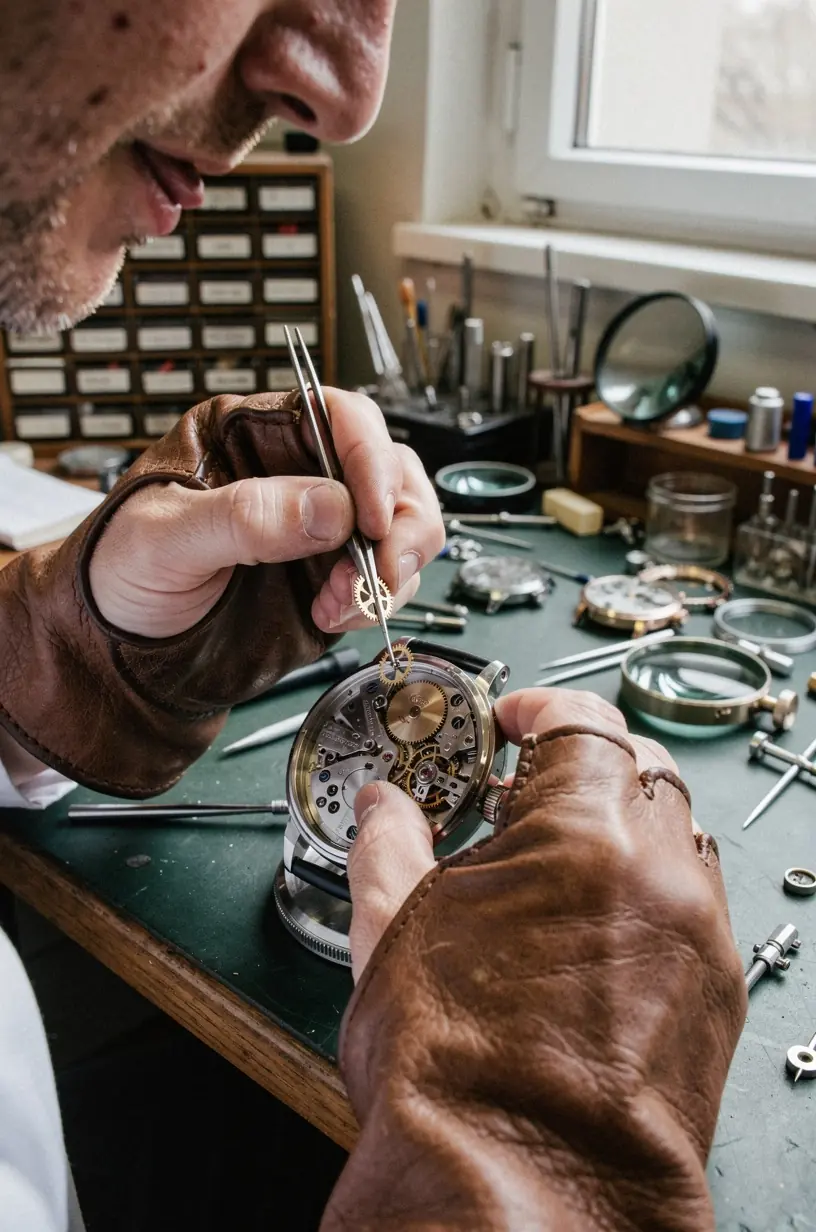
- Disassembly: The watch is carefully taken apart to access all internal components.
- Cleaning: All parts are meticulously cleaned, often using ultrasonic cleaners to remove dirt and grime.
- Repairs and Replacements: Worn or damaged parts are replaced, and adjustments are made to ensure proper functionality.
- Reassembly and Testing: The watch is reassembled, and its performance is tested to ensure it meets the required standards.
Challenges and Considerations
While watch restoration can be rewarding, it also presents challenges. For instance, sourcing original parts can be difficult for vintage watches. Moreover, many users report that restoring a watch to its original condition requires dedication and often involves a learning curve. It is not suitable for those seeking a quick fix but rather for individuals who appreciate the craftsmanship involved.
Conclusion
Understanding different watch restoration techniques is crucial for anyone interested in maintaining mechanical timepieces. Through methods such as mechanical servicing, movement restoration, and aesthetic refurbishment, enthusiasts can ensure their watches remain functional and visually appealing. It is essential to approach restoration with realistic expectations, acknowledging the time and effort involved to achieve dependable results.