How to Identify Watch Wear and Tear
Understanding the signs of wear and tear on your watch is essential for maintaining its functionality and longevity. Regular inspection can help prevent costly repairs and ensure your timepiece remains in good condition.
Understanding the Basics
Watches, particularly mechanical ones, are intricate devices that require regular maintenance. According to industry experts, most watches should be serviced every three to five years, depending on their usage and environmental conditions. Signs of wear and tear can often manifest in several ways, which are important to identify early.
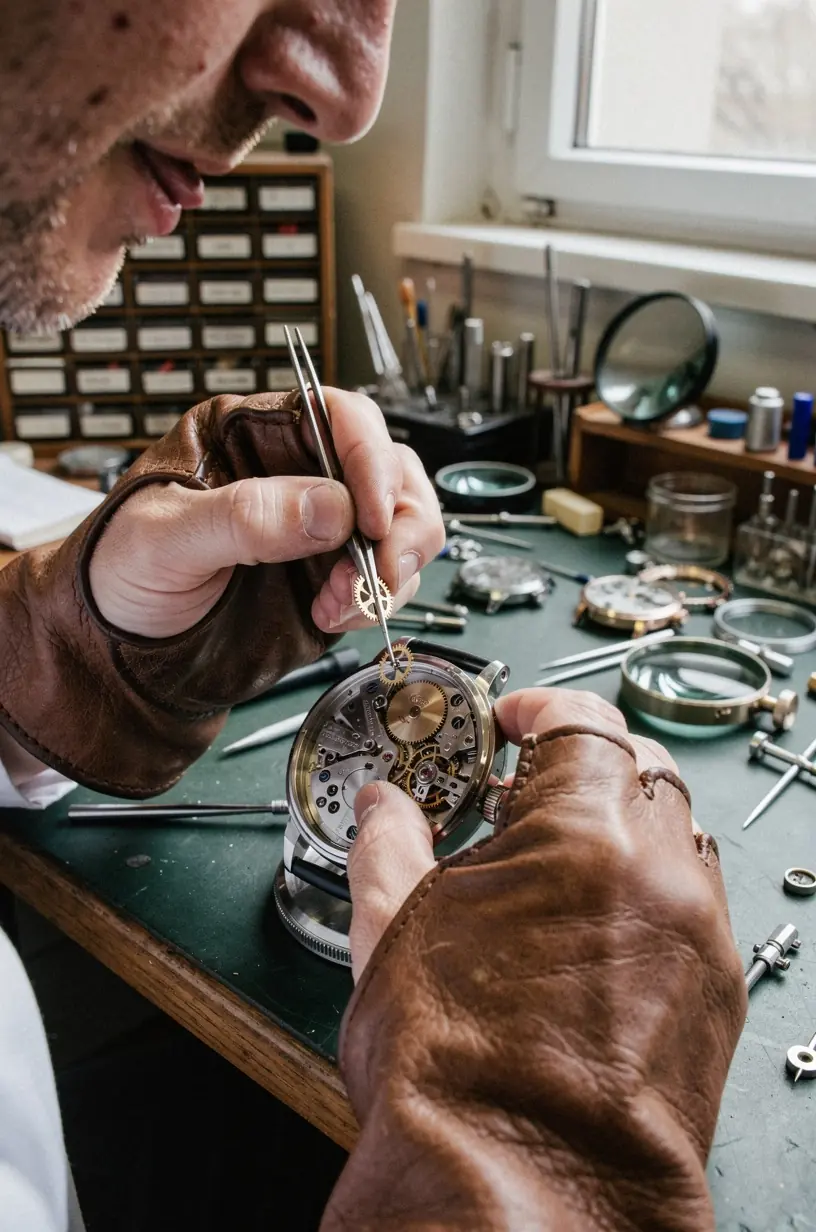
"Routine maintenance can significantly extend the life of your watch and improve its accuracy, according to research from the National Association of Watch and Clock Collectors."
Common Signs of Wear and Tear
Identifying wear and tear involves observing both the watch's functionality and its physical appearance. Here are some key indicators:
- Loss of Time Accuracy: If your watch consistently runs fast or slow, this may indicate an internal issue that requires attention.
- Visible Damage: Scratches on the crystal or the case can not only affect the aesthetics but also the watch's ability to protect its internal mechanisms.
- Strange Noises: If your watch emits unusual sounds, it could be a sign of internal friction or a malfunctioning component.
The Importance of Regular Inspection
Regularly checking your watch for these signs can help you catch problems before they escalate. Many users report that a quick visual inspection every few months is often sufficient to identify minor issues.
Experts recommend a more thorough check by a professional every few years, which can include:
- Full Disassembly: This allows for a comprehensive cleaning and lubrication, which is crucial for mechanical watches.
- Battery Replacement: For quartz watches, check the battery regularly; a dead battery can cause further damage if not replaced timely.
- Water Resistance Testing: This is essential for watches designed to withstand water exposure; a simple test can prevent moisture damage.
What to Do If You Notice Wear and Tear
If you identify any signs of wear, it is advisable to consult a professional watch repair service. Here are some steps you can take:
- Document the Issues: Take notes or photos of any problems you observe. This information can help your watchmaker diagnose the issue more efficiently.
- Seek Professional Help: Look for a reputable watch repair studio that specializes in mechanical servicing and restoration. Many experts recommend using established services that follow industry standards.
- Regular Maintenance: After repairs, adhering to a maintenance schedule will help prolong the life of your watch. This typically involves returning for service every few years.
Conclusion
Identifying wear and tear on your watch is an essential part of ownership that can lead to better performance and longevity. By knowing the common signs of wear and tear and undertaking regular inspections, you can help ensure that your timepiece remains in prime condition. Remember, proactive maintenance is always more cost-effective than reactive repairs. If you're in doubt, consult with a professional repair service to keep your watch ticking smoothly.
Read On