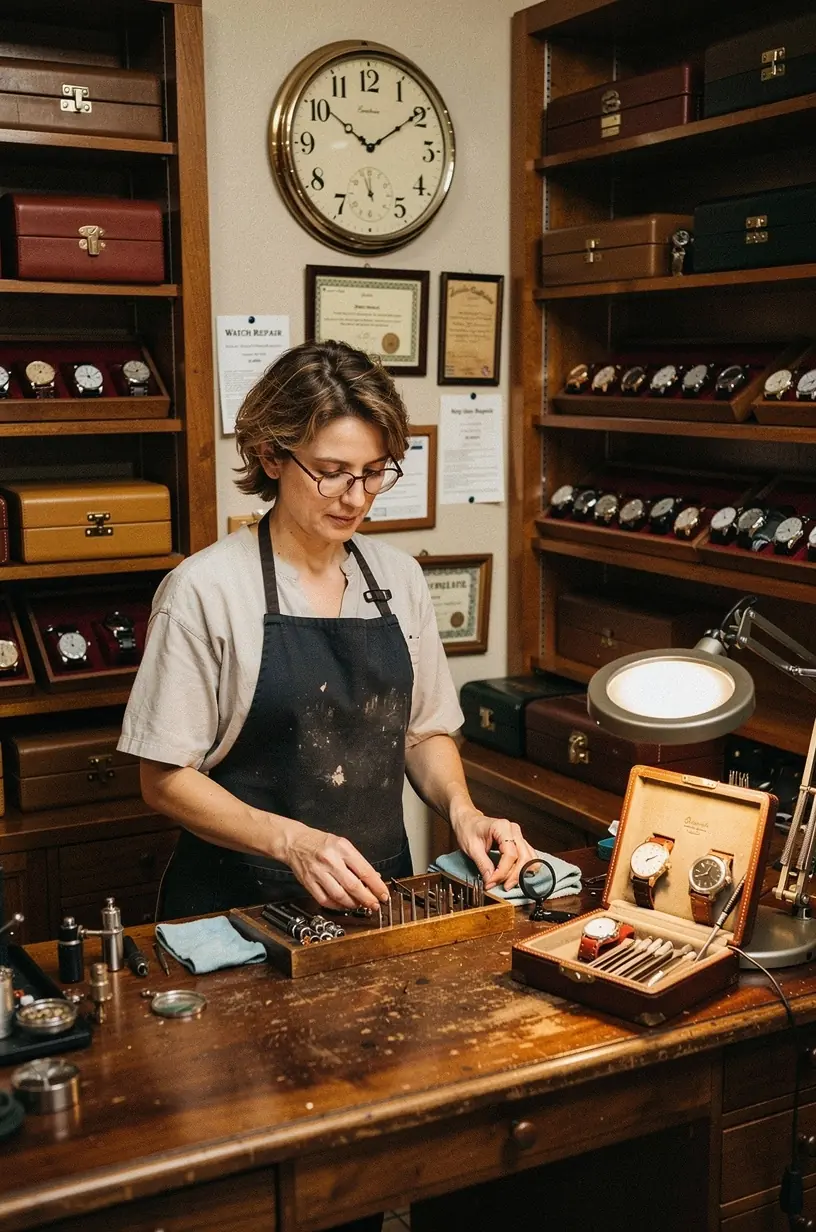
Best Practices for Storing Mechanical Watches
Proper storage of mechanical watches is crucial for their longevity and proper functioning. Understanding how to store them can enhance their performance and prevent common issues.
Understanding Mechanical Watches
Mechanical watches are intricate devices that rely on a complex system of gears and springs. According to industry experts, the longevity and accuracy of these watches can significantly depend on how they are stored. Proper storage practices can help in maintaining their functionality and aesthetic appeal.
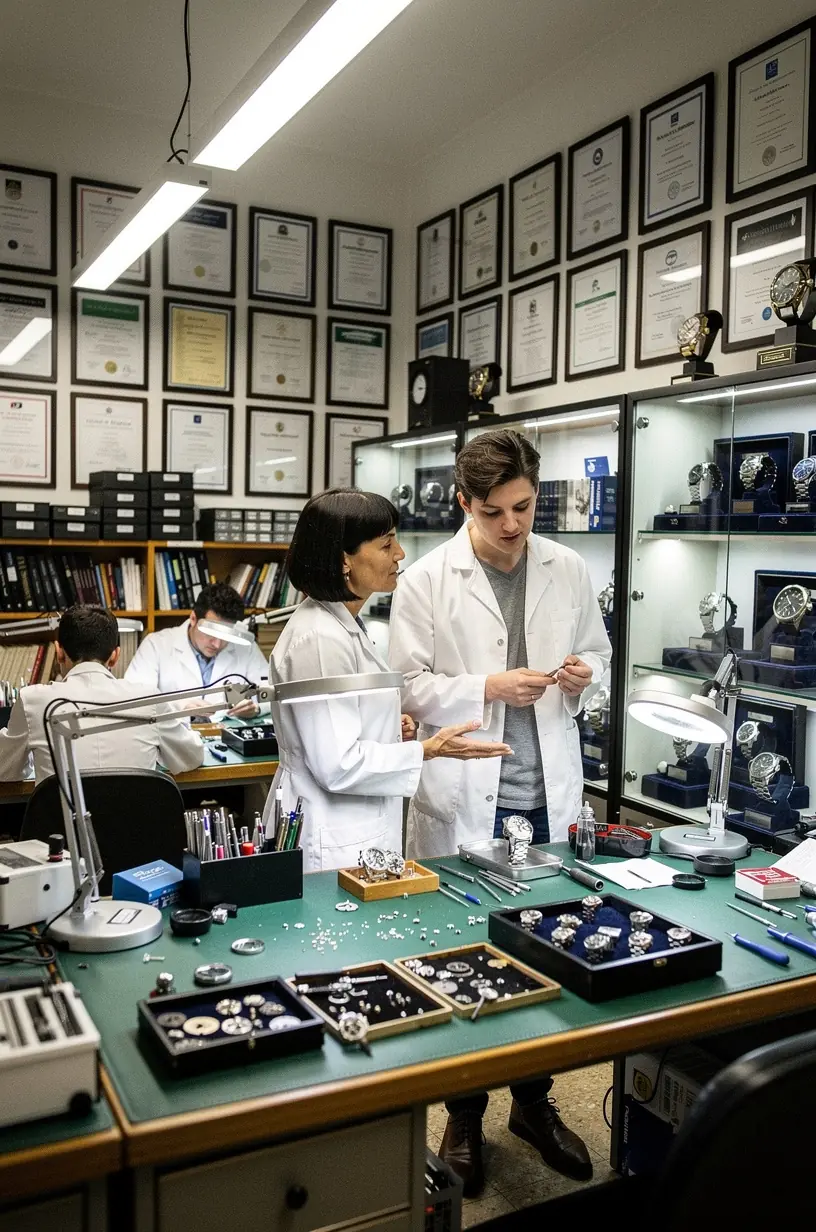
"The right storage can prevent common mechanical issues and prolong the life of your watch." - Watch Repair Specialist
Key Storage Practices
Here are some effective methods for storing mechanical watches:
- Use a Watch Box: A dedicated watch box can protect your watch from dust, moisture, and physical damage. Many users report that using a watch box helps maintain the watch's condition over time.
- Avoid Direct Sunlight: Exposure to direct sunlight can fade the watch face and damage the internal components. Studies show that prolonged exposure to UV rays can degrade watch materials, making indirect light the preferred option.
- Wind Regularly: Mechanical watches require winding to keep them running. It is often recommended to wind your watch regularly or use a watch winder to maintain its movement and accuracy.
Environmental Considerations
Creating the right environment for your watches is crucial. The following considerations are often suggested by experts:
- Control Humidity: High humidity levels can lead to moisture buildup in the watch, potentially causing rust and other damages. A typical recommendation is to store watches in a climate-controlled environment.
- Temperature Stability: Avoid extreme temperature fluctuations. Ideally, a stable temperature range of 15°C to 25°C (59°F to 77°F) is suggested for optimal watch preservation.
Regular Maintenance Checks
While proper storage helps in prolonging the life of your mechanical watch, regular maintenance is equally important. Industry standards often suggest servicing your watch every 3 to 5 years, depending on usage. This maintenance may include cleaning and lubrication of the internal components, which can prevent wear and tear.
"Regular maintenance checks can significantly enhance the reliability and accuracy of your mechanical watch." - Horology Expert
Conclusion
Storing mechanical watches with care can lead to improved longevity and performance. By using a dedicated storage solution, controlling the environment, and ensuring regular maintenance, you'll be taking significant steps to protect your investment. Remember, it's not just about where you keep your watch; it’s about how you care for it. Following these best practices can help many users enjoy their timepieces for years to come.
Read On