How to Spot a Fake Mechanical Watch
As the market for luxury watches continues to expand, the prevalence of counterfeit mechanical watches has also risen. Knowing how to identify a fake can save you money and protect your investment. This article will provide you with practical insights and tips on spotting counterfeit mechanical watches.
Understanding Mechanical Watches
Mechanical watches are known for their intricate craftsmanship and precision engineering. Unlike quartz watches, which rely on batteries, mechanical watches are powered by a complex system of gears and springs. According to industry experts, authentic mechanical watches often feature high-quality materials and precise movements, which are challenging to replicate in counterfeits.

"The craftsmanship behind mechanical watches is a significant factor in their value, making it essential to understand what to look for when identifying a fake." - Watchmaking Expert
Key Indicators of Authenticity
Here are some crucial aspects to consider when evaluating a mechanical watch:
- Weight: Authentic mechanical watches typically have a substantial weight due to the materials used in their construction. Many users report that counterfeit watches often feel lighter than expected.
- Movement: A genuine mechanical watch will have a smooth sweeping second hand, while a counterfeit may tick or jump in noticeable increments. This is often referred to as the "sweeping motion," which is a hallmark of quality mechanical craftsmanship.
- Details and Finish: Examine the watch for fine details such as engravings, logos, and finish. Authentic brands often have impeccable detailing, while fakes may show signs of poor craftsmanship.
Research and Authentication
Many experts recommend researching the specific model of the watch you are interested in. This involves checking the brand’s official website for images and specifications. Some factors to investigate include:
- Reference Numbers: Genuine watches will have specific reference numbers that can often be cross-referenced on the brand's website.
- Documents and Packaging: Authentic watches typically come with certificates of authenticity, manuals, and high-quality packaging. A lack of these items may indicate a counterfeit.
- Authorized Dealers: Purchasing from authorized dealers significantly reduces the risk of acquiring a fake. Research shows that around 80% of counterfeits are sold through unofficial channels.
Using Offline Diagnostics
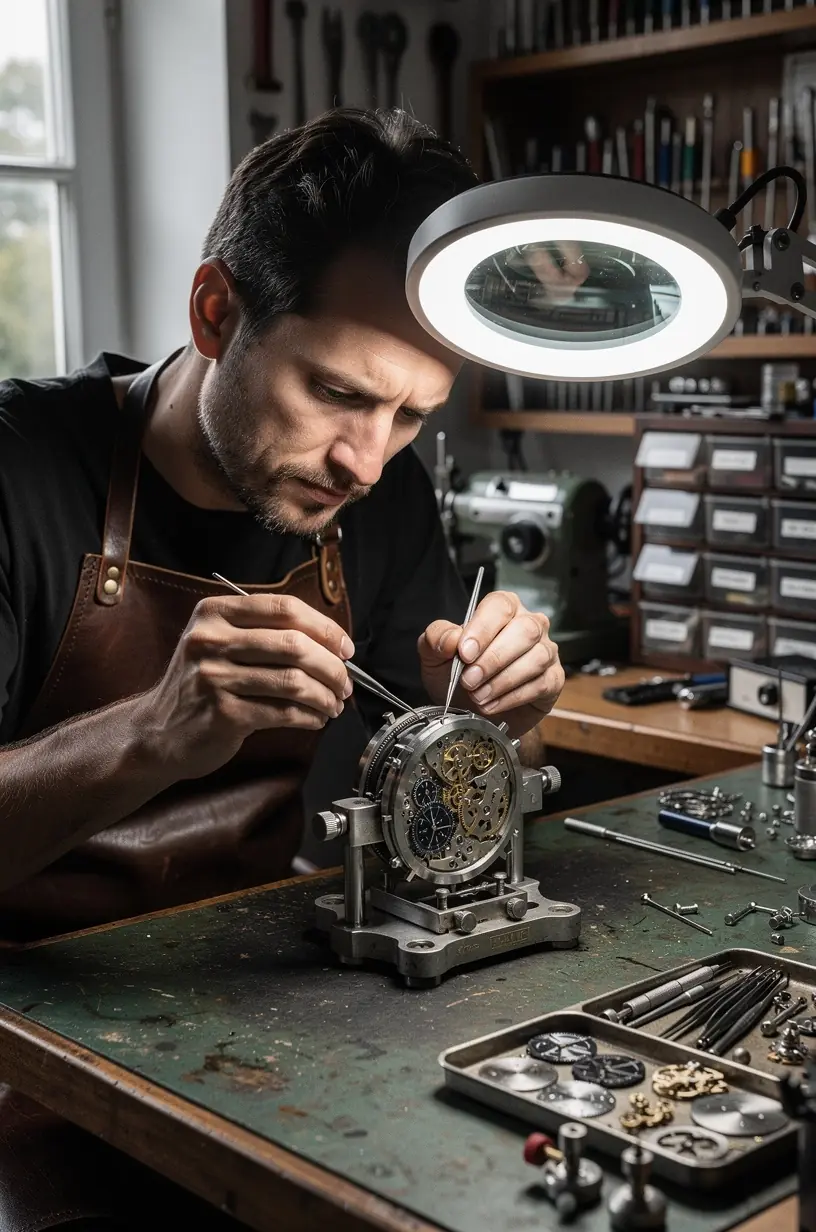
For those who may still have doubts, offline diagnostics can be an invaluable tool. Many watch repair studios offer services to inspect the movement and craftsmanship of a watch. According to industry standards, this process typically involves:
- Movement Inspection: Experts will open the caseback to examine the movement closely, ensuring it matches the brand's specifications.
- Material Testing: Some studios can perform tests to determine the metal and materials used, which is often a giveaway of authenticity.
Conclusion
Identifying a fake mechanical watch requires careful observation and a bit of research. While the tips outlined can help you spot counterfeits, seeking professional assistance from a reputable watch repair studio adds an extra layer of security. By following these guidelines, you can make more informed decisions and protect your investment in mechanical watches.
Read On