How Temperature Affects Watch Performance
Understanding the relationship between temperature and watch performance is crucial for maintaining the longevity and accuracy of mechanical timepieces. In this article, we explore the effects of temperature fluctuations on watch mechanisms, providing insights into how to best care for your watch.
Understanding the Basics
Mechanical watches operate through intricate systems of gears and springs, which are sensitive to environmental conditions, particularly temperature. Research indicates that temperature variations can cause components to expand or contract, potentially leading to alterations in timekeeping accuracy. According to experts in horology, a typical mechanical watch can experience significant deviations in performance outside of its optimal temperature range, which is generally between 5°C and 35°C.
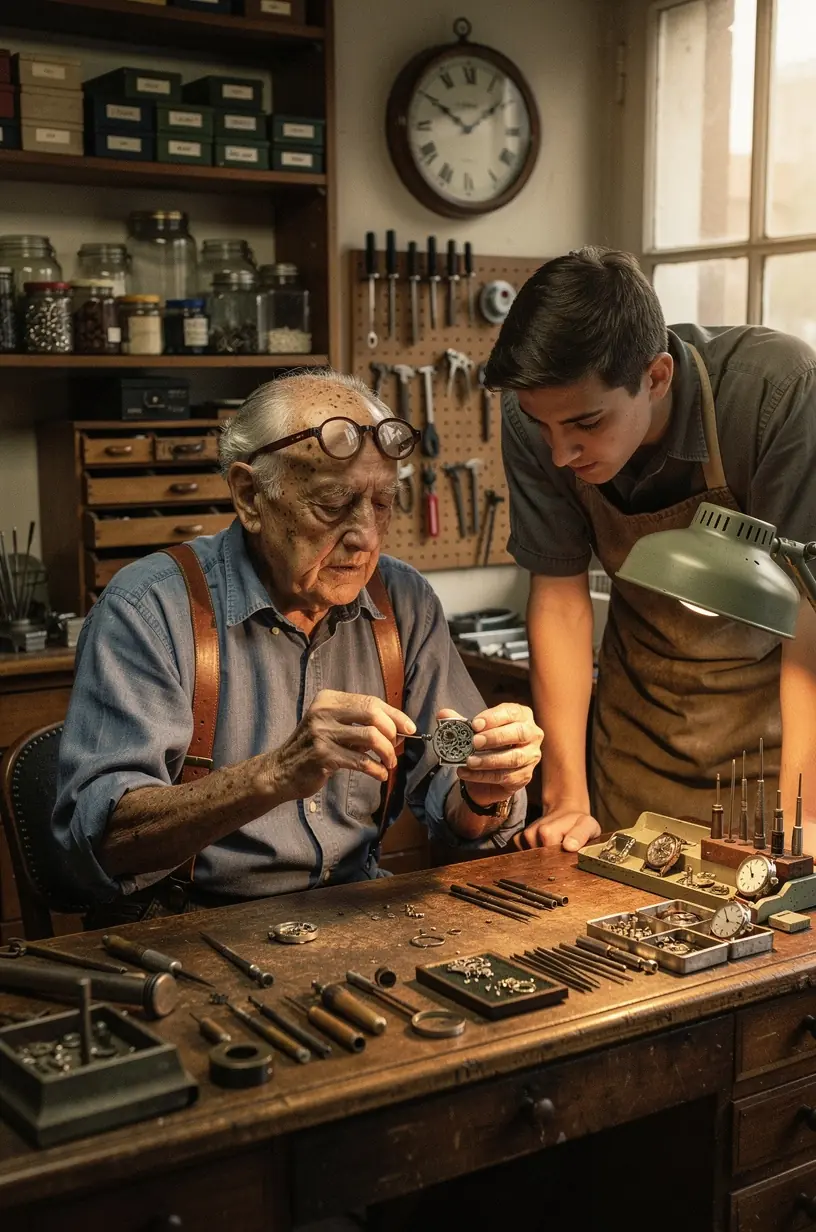
"Temperature fluctuations can affect the viscosity of lubricants used in the movement, impacting the overall functionality and accuracy of the watch." - Horological Expert
The Science Behind Temperature Influence
The principle behind how temperature affects watch performance is rooted in material science. As temperatures rise, metals tend to expand, which can alter the spacing between gears and lead to friction. Conversely, lower temperatures can cause metals to contract, leading to gaps that might disrupt the movement's precision. This is particularly important for watches that use quartz technology, which can also show variations in battery performance depending on temperature.
Common Effects of Temperature on Watches
- Timekeeping Accuracy: Many users report that watches can gain or lose time based on temperature; for example, a mechanical watch may run faster in higher temperatures.
- Lubrication Challenges: The lubricants in a watch's movement can become either too viscous in cold conditions or too runny in heat, affecting their efficiency. Studies show that proper lubrication is essential for maintaining accurate timekeeping.
- Molecular Changes: Materials within the watch, including metals and lubricants, can undergo molecular changes that affect their performance at extreme temperatures.
Practical Tips for Care and Maintenance
To ensure your watch operates optimally regardless of temperature, consider the following care tips:
- Avoid Extreme Temperatures: Store your watch in environments that remain within the recommended temperature range. Avoid leaving it in hot vehicles or damp areas.
- Regular Maintenance: Schedule regular mechanical servicing, typically every 3-5 years, to ensure lubricants are refreshed and the movement is properly calibrated.
- Use a Watch Winder: If you own an automatic watch, consider using a watch winder to maintain consistent movement and prevent lubricant settling, which can be exacerbated by temperature variations.
Conclusion
In conclusion, understanding how temperature affects watch performance is vital for any watch owner. By acknowledging the limitations inherent in mechanical movements and taking proactive steps to care for your timepiece, you can help ensure its accuracy and longevity. While it may require some effort, maintaining a consistent environment for your watch can significantly enhance its performance over time.