Understanding the Art of Watch Restoration
Watch restoration is a meticulous craft that combines artistry with technical expertise. Understanding the methodology behind this process can help you appreciate the value of your timepiece and the effort that goes into restoring it.
Understanding the Basics of Watch Restoration
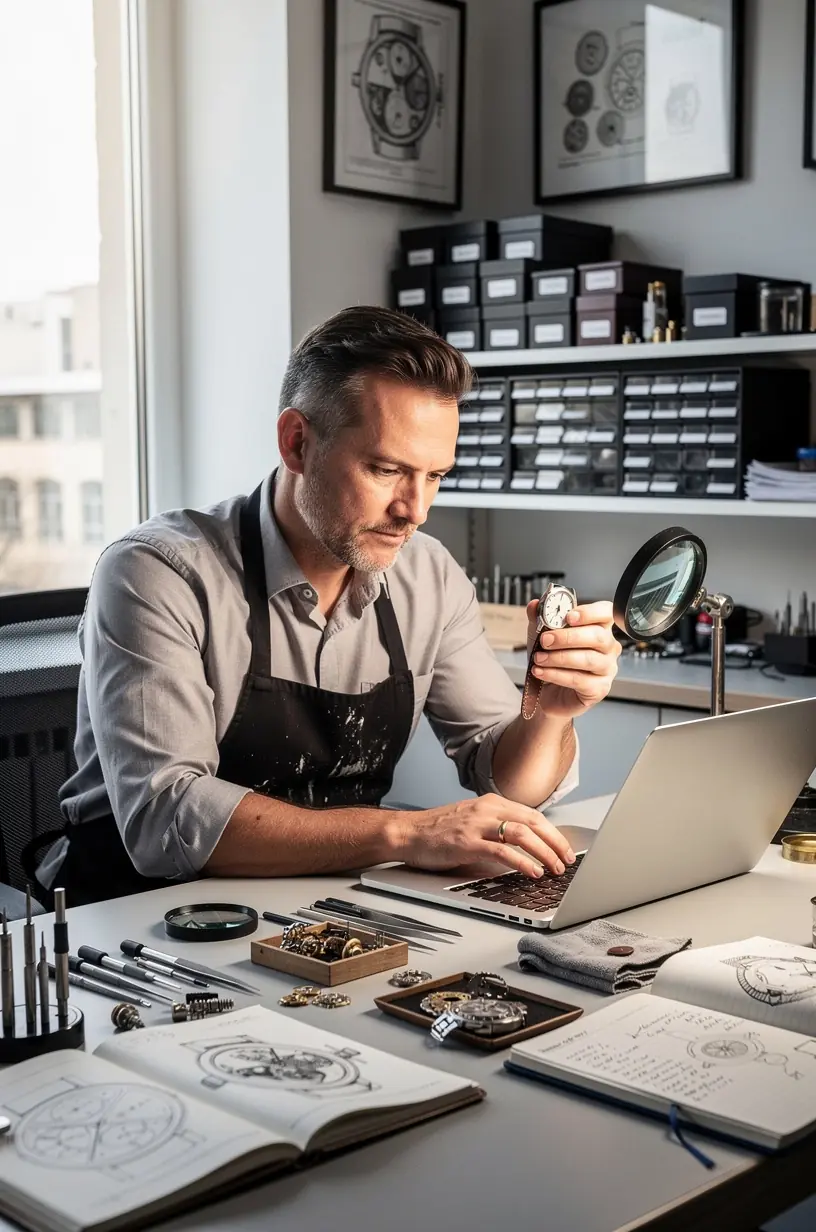
Watch restoration typically involves several key steps, including disassembly, cleaning, repair, and reassembly. According to industry experts, each step is crucial for ensuring that the watch functions properly and maintains its aesthetic appeal.

"Proper watch restoration is not just about fixing what's broken, but also about preserving the watch's history and craftsmanship." - Watch Restoration Expert
The Step-by-Step Restoration Process
- Disassembly: The first step often requires careful disassembly of the watch. This is done to access its internal mechanisms, which can be intricate and delicate.
- Cleaning: Once disassembled, each part must be cleaned thoroughly. Research shows that using ultrasonic cleaners can effectively remove grime without damaging components.
- Repair and Replacement: During this phase, any damaged parts are either repaired or replaced. Many users report that sourcing original parts can significantly enhance the watch's value and authenticity.
- Reassembly and Testing: After repairs, the watch is meticulously reassembled, and precision testing is performed to ensure accuracy. Experts recommend this final step to confirm that the watch meets industry standards.
Common Challenges in Watch Restoration
While the restoration process can yield impressive results, it is not without its challenges. For example:
- Time Commitment: Restoring a watch typically takes 2-4 weeks, depending on the complexity of the repairs and the availability of parts.
- Skill Level: The process involves a significant learning curve, making it essential for restorers to have a solid understanding of mechanical principles.
- Availability of Parts: In some cases, original parts may not be readily available, which can lead to delays in the restoration process.
Why Professional Restoration Matters
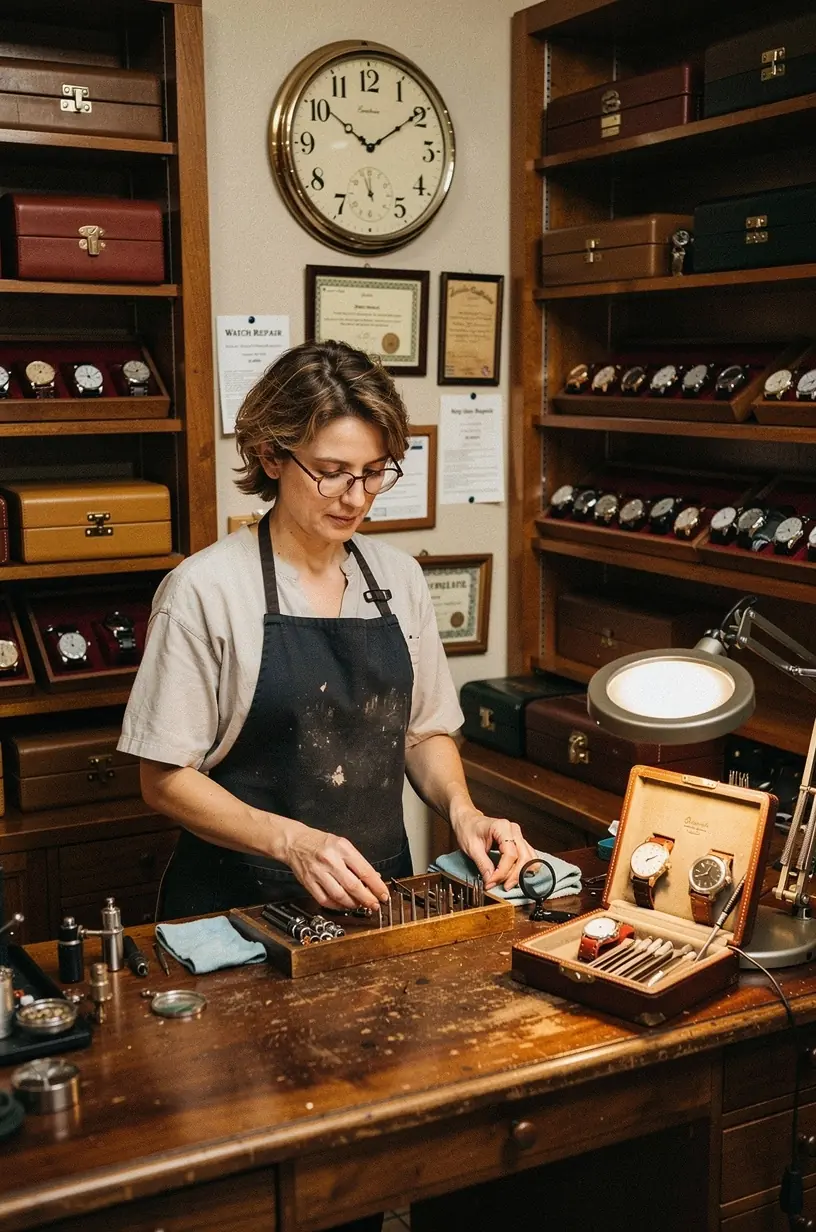
Entrusting your watch to a professional restoration studio ensures that the work is done according to industry best practices. Many experts suggest that even minor repairs should be handled by experienced technicians to avoid further damage. This is particularly important for valuable or vintage timepieces, where preserving the integrity of the watch is paramount.
Conclusion
Understanding the art of watch restoration not only enhances your appreciation of timepieces but also helps you make informed decisions regarding their care. Whether you own a family heirloom or a luxury watch, investing in professional restoration services can help maintain both functionality and value. Remember, the process requires patience and expertise, making it vital to choose a qualified restoration studio that adheres to industry standards.