Exploring the History of Mechanical Watches
Mechanical watches have captivated enthusiasts and collectors for centuries, combining intricate craftsmanship with precision engineering. In this article, we will delve into the history of mechanical watches, exploring their development, significance, and how they have evolved over time.
The Origins of Mechanical Watches
The journey of mechanical watches began in the 13th century when the first mechanical clocks were developed in Europe. These early timekeeping devices were largely powered by weights and gears, laying the foundation for what would eventually evolve into the mechanical watch. According to historical records, the first portable timepieces emerged in the 15th century, but it was not until the 17th century that significant advancements were made in watchmaking.

"The creation of the mainspring in the 15th century was a pivotal moment in horology, allowing watches to become smaller and more portable."
Key Innovations in Watchmaking
Throughout the centuries, numerous innovations have shaped the design and functionality of mechanical watches. Some notable advancements include:
- The Balance Wheel: Introduced in the late 1600s, it allowed for improved accuracy in timekeeping by regulating the escape of energy from the mainspring.
- The Lever Escapement: Developed in the 1750s, this mechanism increased reliability and precision, becoming the standard for many mechanical watches.
- Self-Winding Mechanisms: Popularized in the 18th century, self-winding technology allowed watches to wind themselves using the natural motion of the wearer’s wrist.
The Golden Age of Mechanical Watches
The 19th and early 20th centuries are often referred to as the "Golden Age" of mechanical watches. During this period, watchmaking became a highly respected profession, and several brands emerged as leaders in the industry. According to industry experts, this era saw the rise of companies such as Patek Philippe, Audemars Piguet, and Vacheron Constantin, which are still revered today for their craftsmanship and innovation.
Impact of World Events
World events, including both World Wars, significantly influenced the watch industry. Military demands led to the development of rugged and reliable timepieces, often equipped with additional features such as waterproof cases and luminous dials. Many users reported that these watches enhanced their functionality in challenging conditions.
The Modern Era of Mechanical Watches
In recent years, the resurgence of interest in mechanical watches has been observed. Many enthusiasts appreciate the artistry and complexity of mechanical timepieces, often preferring them over digital alternatives. Research indicates that this trend is driven by a desire for authenticity and craftsmanship, with many users valuing the story behind each watch.
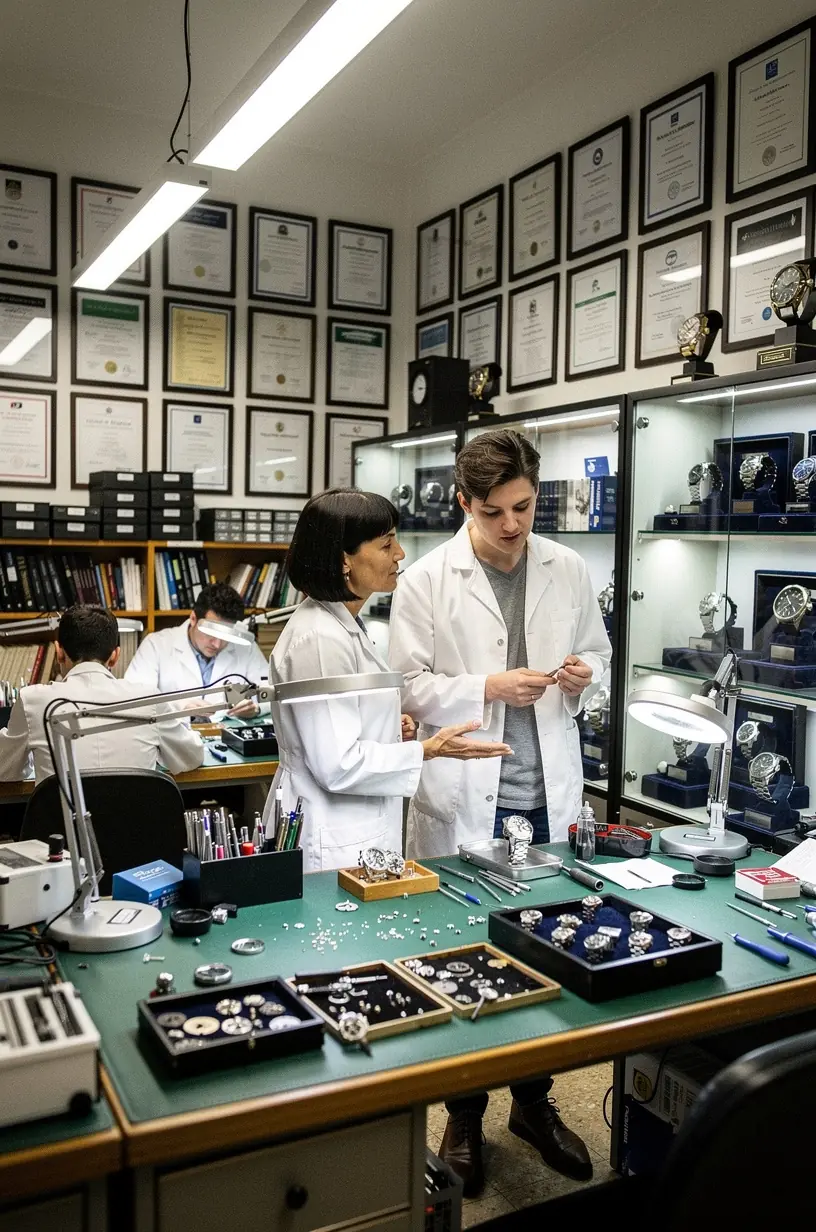
However, it's important to note that maintaining mechanical watches involves a commitment to regular servicing and care. Typically, servicing may take anywhere from 2 to 4 weeks depending on the watch's condition and the complexity of the repairs needed. Industry standards recommend that mechanical watches be serviced every 3 to 5 years to ensure optimal performance and longevity.
"Proper care and maintenance of mechanical watches not only preserve their accuracy but also significantly extend their lifespan."
Conclusion
The history of mechanical watches is a testament to human ingenuity and precision engineering. As we continue to appreciate the craftsmanship that goes into each watch, it’s essential to understand the care they require. Whether you're a seasoned collector or a newcomer to the world of horology, recognizing the value and heritage of mechanical watches can enhance your experience and connection to these intricate devices.
Investing in a mechanical watch is not just about ownership; it's about embracing a rich history and the artistry involved in its creation. Remember, while these watches can provide reliable timekeeping, they also require maintenance to stay in optimal condition.
Read On