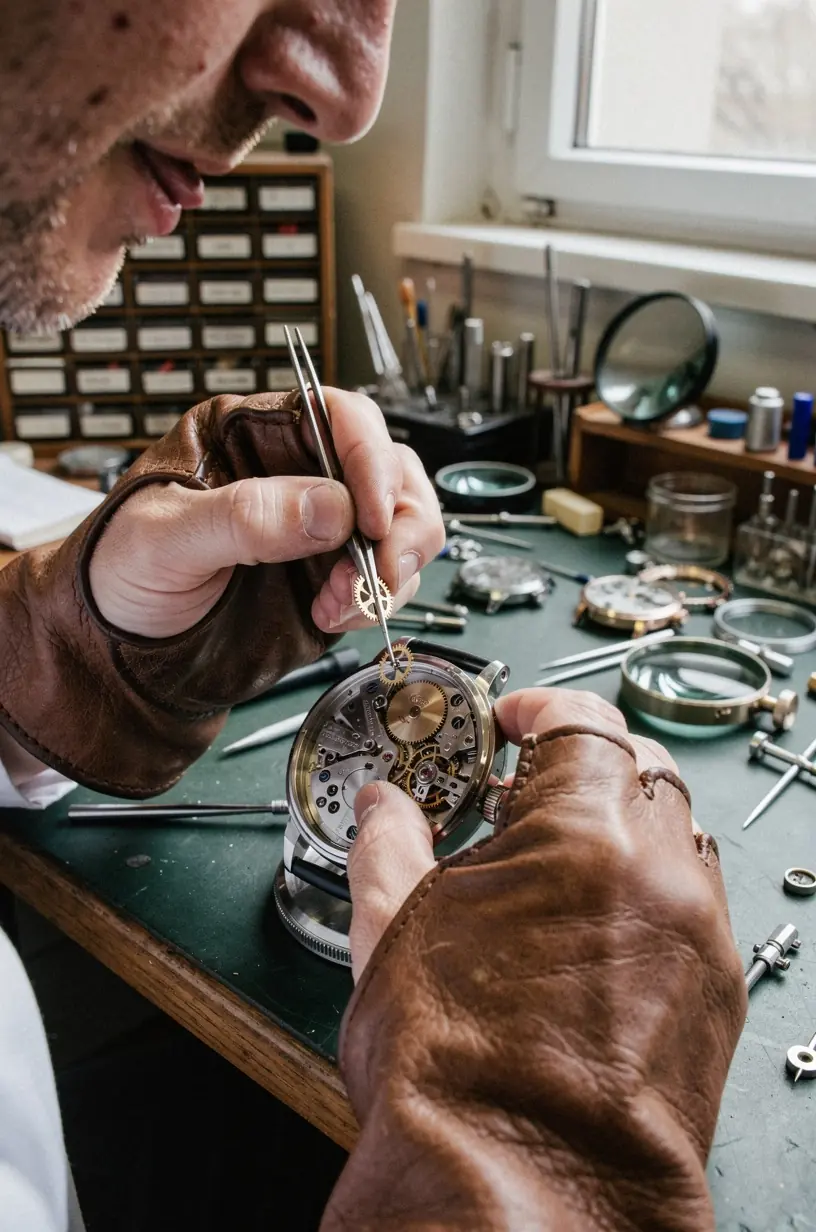
A Guide to Watch Movement Types
Understanding the various types of watch movements is essential for both enthusiasts and those seeking repairs. This article explores the most common movement types found in mechanical watches, providing insights into their characteristics, benefits, and limitations.
Understanding Watch Movements
Watch movements, or calibers, are the mechanisms that power a watch and govern its timekeeping abilities. There are primarily three types of movements: manual, automatic, and quartz. Each movement type operates under distinct principles, offering varying user experiences.

1. Manual Movements
Manual watches require the wearer to wind them regularly, typically every day or two. This winding action tightens a mainspring, which then powers the watch. According to research by the Horological Institute, enthusiasts often prefer manual movements for their engagement and traditional craftsmanship.
"Manual watches are appreciated for their artistry and the connection they create between the wearer and the timepiece."
Advantages of Manual Movements
- Emphasis on traditional watchmaking techniques.
- Often thinner and lighter than automatic or quartz watches.
- Provides a sense of accomplishment and connection through winding.
Limitations
This type of movement does require daily winding, which may not be ideal for everyone. Additionally, if not wound regularly, a manual watch will stop, requiring resetting and winding.
2. Automatic Movements
Automatic, or self-winding, watches harness kinetic energy generated by the wearer's wrist movement. When worn regularly, they can remain powered without manual winding. Studies show that many users report satisfaction with the convenience of automatic movements.
Benefits of Automatic Movements
- Convenient for daily wearers, as they wind themselves.
- Long-lasting if maintained properly, often capable of functioning for decades.
- Combines traditional craftsmanship with modern convenience.
Considerations
Automatic movements can be sensitive to inactivity. If not worn regularly, they may require winding or resetting. In most cases, a service every 3-5 years is recommended to maintain accuracy and functionality.
3. Quartz Movements
Quartz watches operate using a battery-powered movement, which sends an electrical pulse through a quartz crystal, resulting in accurate timekeeping. According to the International Watch and Clock Institute, quartz movements are often praised for their precision and low maintenance.
Pros of Quartz Movements
- Exceptional accuracy with minimal deviation.
- Requires less maintenance compared to mechanical movements.
- Typically more affordable, making them accessible to a wider audience.
Drawbacks
While reliable, quartz movements may lack the artisanal appeal of mechanical movements. Battery replacements are necessary every few years, which can be inconvenient for some users.
Choosing the Right Movement for You
When selecting a watch, consider your lifestyle and preferences. Manual and automatic movements provide a traditional experience but require more engagement. Quartz movements offer convenience and accuracy, ideal for those who prefer low-maintenance options.
Conclusion
Understanding different watch movements is crucial for making informed choices about your timepiece. Whether you appreciate the artistry of mechanical watches or the precision of quartz, knowing the pros and cons of each movement type can enhance your experience as a watch owner. At our watch repair studio, we specialize in the servicing and restoration of all movement types, ensuring that your watch remains in optimal condition for years to come.